
Psychological health at work
Preventing psychosocial risks, with teams that actually talk to each other
Understand◆feel◆act
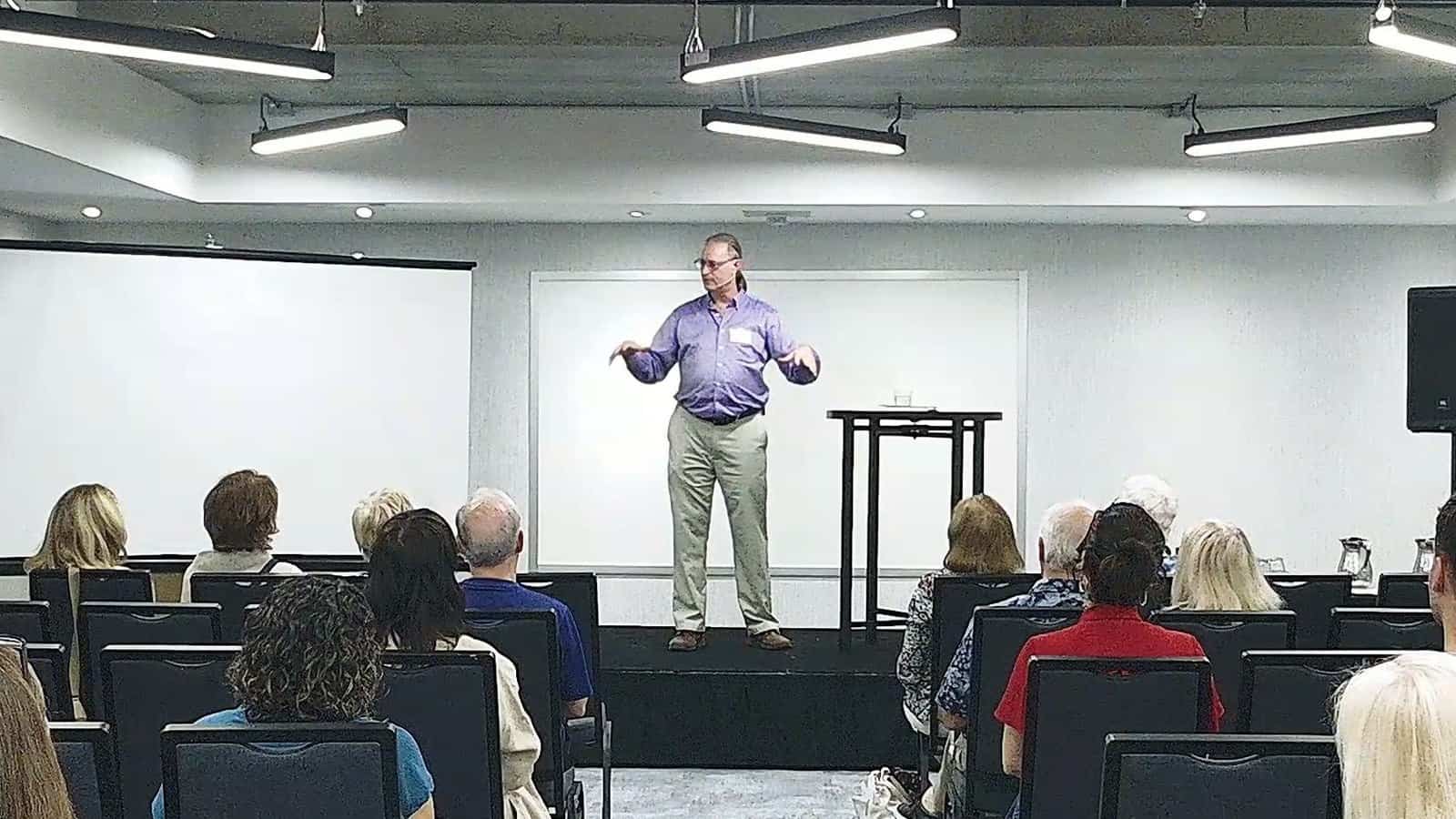
Since October 6, 2025, most employers in Quebec must identify the psychosocial risks in their workplace and plan measures to prevent them, including training and information. In Europe too, including France, Belgium, and Switzerland, employers must prevent these risks. Pascal N. Paquette, a psychosociologist, offers keynotes and training for teams and managers that fit right into that effort.
What the law requires
An obligation in Quebec and in Europe
In Quebec and in Europe, employers must assess and prevent psychosocial risks, just as they do physical ones. The rules differ from one country to the next, but the core requirement is the same.
In Quebec, Law 27
Since October 6, 2025, the Act to modernize the occupational health and safety regime has required most employers to identify, assess, and prevent psychosocial risks, remote work included.
20 or more workers
A prevention program that covers psychosocial risks, with its measures, priorities, and timelines, along with training, awareness, and information activities.
Fewer than 20 workers
A written action plan to eliminate or control risks, with training and information suited to the organization.
Psychological harassment, Law 42
Since October 1, 2025, the harassment prevention policy has been part of the prevention program or action plan. It must include information and training programs for staff.
In Europe
Framework Directive 89/391/EEC requires every employer in the European Union to assess workplace risks, and each country applies it in its own way. Switzerland has its own rules in the same spirit.
France
The employer’s duty of care (Article L4121-1 of the Labour Code) covers mental health and includes information and training. Psychosocial risks are assessed in the single occupational risk assessment document (DUERP).
Belgium
The Act on well-being at work calls for a psychosocial risk analysis and a prevention advisor who specializes in these risks.
Switzerland
Protecting mental health is part of the employer’s obligations, overseen by the cantonal labour inspectorates.
Elsewhere in the world, other laws and standards point in the same direction. For the details of your organization’s obligations, refer to your country’s labour authorities or your occupational health and safety advisor.
Risk factors
Working on what teams can change together
The CNESST encourages employers to look at five key factors together: decision-making autonomy, workload, organizational justice, recognition, and support. Many of them come down to how people talk to each other, make decisions, and handle change. That is where Pascal comes in.
01
Communication and support
Clear conversations between colleagues and with leadership, so support flows and misunderstandings don’t take root.
02
Stress and burnout
Understanding how burnout sets in, spotting the early signs, and having concrete ways to prevent it.
03
Recognition and meaning
Reconnecting with what gives work its meaning and learning to recognize effort, two drivers of lasting motivation.
04
Change and decision-making
Going through change with clarity, and making sound decisions together.
05
Respectful relationships
Everyday civility and respect, so tensions get resolved before they turn into conflict.
06
Managers
Tools for managers, who are at the heart of prevention: listening, regular follow-ups, and clear expectations.
Meditation at work
Meditation, an everyday prevention tool
Pascal has been teaching meditation for more than 25 years. In the workplace, he presents it as a practical tool people can take back to their desks and practice regularly. It fits naturally into a preventive approach to psychological health.
Managing stress
Learning to release the pressure of a busy day and find calm again, instead of letting stress build up.
Managing emotions
Noticing what comes up, naming it, and choosing a response instead of reacting in the heat of the moment.
Managing thoughts
Watching the stream of thoughts, regaining control of your attention, and finding the clarity to make decisions.
Meditation takes regularity and time. Pascal helps teams turn it into a lasting habit, through workshops, training, or a series of sessions.
For your prevention program
Support that leaves a useful record
Your organization also needs to document its prevention efforts. Depending on the agreement, an engagement can include what you need for your records:
- The content outline and learning objectives
- A certificate of attendance for each participant
- The tools given to participants, so the work continues after the session
- A short summary for your health and safety committee or liaison officer
Formats
The format that fits your workplace
Keynote
To raise awareness across your whole staff, at a conference, a team meeting, or online, in whatever length suits your event.
Training
A hands-on workshop for teams or managers, with exercises and tools to put to work the very next day.
Ongoing support
Group facilitation and coaching for managers, when a team is going through a hard stretch.
The approach
Prevention that is human and practical
Pascal N. Paquette is a psychosociologist with a bachelor’s and a master’s degree from UQAM. His approach is educational and preventive. He gives people and teams practical tools, alongside your organization’s own resources, such as the employee assistance program and health professionals.
Meaning and joy at work are at the core of what he does. When people feel recognized and in the right place, performance follows.
He works in English and in French, in Canada, the United States, the United Kingdom, and across the English- and French-speaking world.
Invite Pascal
Let’s talk about your event
Book a date or tell us about your project. We’ll get back to you with a proposal tailored to your audience and your goals.
pascal@pascalnpaquette.com
+1 514-990-2699
Prevention starts with a conversation.